Understanding Ground Preparation in Ottawa
Ground preparation is the foundation of successful landscaping and construction projects. In Ottawa, where the climate and soil conditions can vary significantly, understanding the nuances of ground preparation is essential for achieving optimal results. From residential gardens to large commercial sites, proper ground preparation sets the stage for healthy plant growth and stable structures. When exploring options, ground preparation ottawa offers comprehensive insights into the various techniques and services available to facilitate your project.
What is Ground Preparation?
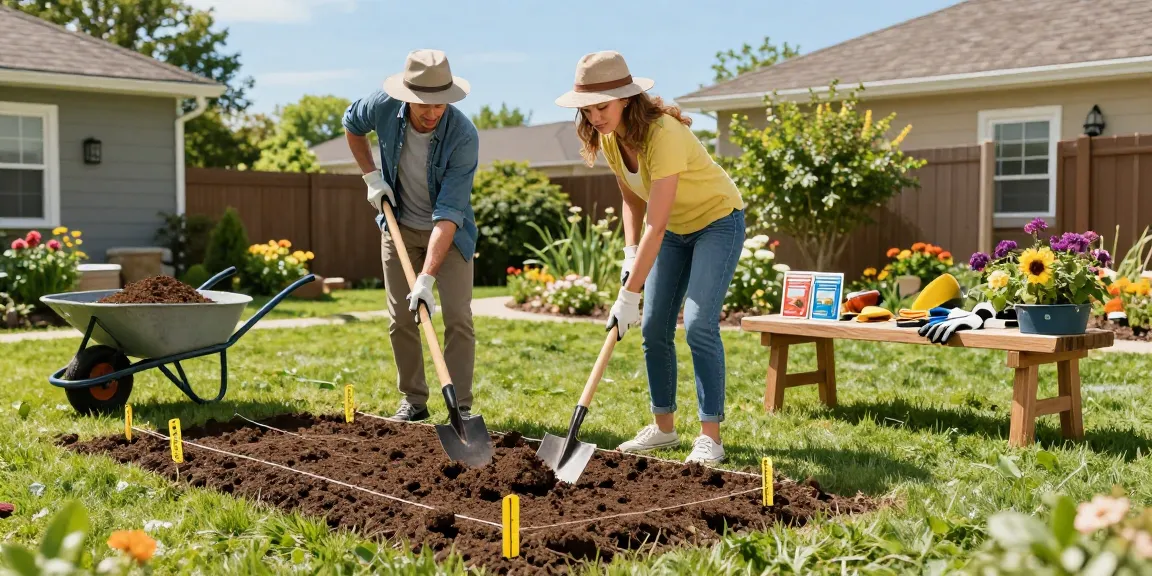
Ground preparation refers to the process of readying a site for subsequent construction or landscaping activities. This includes clearing debris, leveling the soil, and making necessary amendments to ensure suitable conditions for planting or building. In Ottawa, where the weather can significantly impact soil conditions, understanding how to prepare the ground effectively is crucial for success.
Importance of Proper Ground Preparation
Proper ground preparation not only enhances the aesthetic appeal of a landscape but also promotes healthy growth for plants and ensures the longevity of structures. A well-prepared site reduces the risk of erosion, improves drainage, and helps in the management of water runoff. In urban settings like Ottawa, where space is often limited, doing this correctly can mean the difference between a thriving garden and a failed project.
Common Techniques Used in Ottawa
Several techniques are commonly employed in Ottawa for ground preparation:
- Soil Testing: This is the first step in assessing the health of the soil. Tests can reveal pH levels and nutrient deficiencies that need to be addressed.
- Grading: Leveling the ground is crucial for drainage and stability. This often involves using heavy equipment to remove or redistribute soil.
- Amendments: Adding organic matter such as compost or peat moss can improve soil structure and fertility.
- Tilling: This involves turning over the soil to break up compact layers and provide aeration to the root zone.
Choosing the Right Tools and Equipment
Essential Tools for Ground Preparation
Having the right tools is integral to efficient ground preparation. Some essential tools include:
- Shovels and Spades: For manual digging and lifting of soil.
- Rakes: Essential for leveling the soil surface and removing debris.
- Tillers: Useful for mixing soil with amendments and aerating the ground.
- Compactors: These machines help in firming the soil, which is particularly important for certain construction projects.
Equipment Options for Different Project Sizes
The size of your project dictates the type of equipment needed. For small residential gardens, hand tools may suffice. However, larger projects may require:
- Skid Steers: Ideal for moving soil and debris quickly.
- Excavators: Suitable for digging deeper and more complex foundations.
- Bulldozers: Used for grading large areas efficiently.
Rental vs. Purchase: What’s Best for You?
Deciding whether to rent or purchase equipment can impact your project's budget. Renting equipment can be cost-effective for one-time projects, while purchasing may be worthwhile for ongoing landscaping work. It's essential to evaluate the frequency of use and associated costs before making a decision.
Soil Testing and Amendments
Why Soil Testing is Important
Soil testing is a critical step in ground preparation as it provides insight into soil health. Testing can identify nutrient deficiencies and pH levels, ensuring that your plants receive the nutrients they need to thrive.
Common Soil Amendments for Ottawa's Climate
In Ottawa's unique climate, various soil amendments can enhance soil quality:
- Compost: Enriches soil with organic matter, enhancing nutrient availability.
- Lime: Helps raise pH levels in acidic soils.
- Sulfur: Used to lower pH in alkaline soils.
How to Adjust Soil pH Levels
Adjusting soil pH is vital for optimizing plant health. If soil tests indicate an imbalance, lime can be used to raise pH, while sulfur can help lower it. Regular testing is recommended to maintain optimal levels for whatever plants you intend to grow.
Planning Your Ground Preparation Project
Steps to Create an Effective Plan
Effective planning is pivotal in ensuring the success of ground preparation projects. Key steps include:
- Defining the scope of work.
- Conducting soil tests early in the planning stage.
- Identifying necessary tools and equipment.
- Establishing a timeline based on seasonal considerations.
How to Estimate Costs and Resources
Estimating costs involves analyzing equipment rental or purchase prices, labor costs, and materials for soil amendments. Having a clear budget will help prevent overspending and ensure that all aspects of the project are covered.
Timeline Considerations for Seasonal Work
Timing is critical in ground preparation, particularly in Ottawa where winters can be harsh. Homeowners and landscapers should aim to prepare the ground in early spring or after the last frost in fall, ensuring optimal conditions for planting.
Best Practices for Successful Ground Preparation
Common Mistakes to Avoid
Avoiding common pitfalls can save time and resources. Some frequent mistakes include:
- Skipping soil testing.
- Improper grading leading to water retention.
- Neglecting to amend soil based on specific needs.
Tips for Efficient Workflow
Streamlining your workflow can enhance efficiency. Organizing tasks by priority and utilizing the right tools can facilitate smoother operations throughout the preparation process.
Future Trends in Ground Preparation Techniques (2026 and Beyond)
The landscape of ground preparation is evolving with advancements in technology and sustainability practices. New techniques such as precision agriculture and smart soil sensors are becoming integral in optimizing preparations for varying climates, including Ottawa's.
What are the best practices for ground preparation in Ottawa?
Best practices include conducting thorough soil tests, amending soil based on nutrient needs, and ensuring proper drainage through effective grading.
How do seasonal changes affect soil preparation?
Seasonal changes can impact soil moisture levels, nutrient availability, and temperature, all of which should be considered during ground preparation.
What tools are recommended for DIY ground preparation?
Essential tools for DIY ground preparation include shovels, rakes, tillers, and compactors, depending on the scope of the project.
What common soil issues should Ottawa gardeners be aware of?
Common soil issues include poor drainage, compacted soils, and nutrient deficiencies, which can all affect plant growth if not addressed properly.